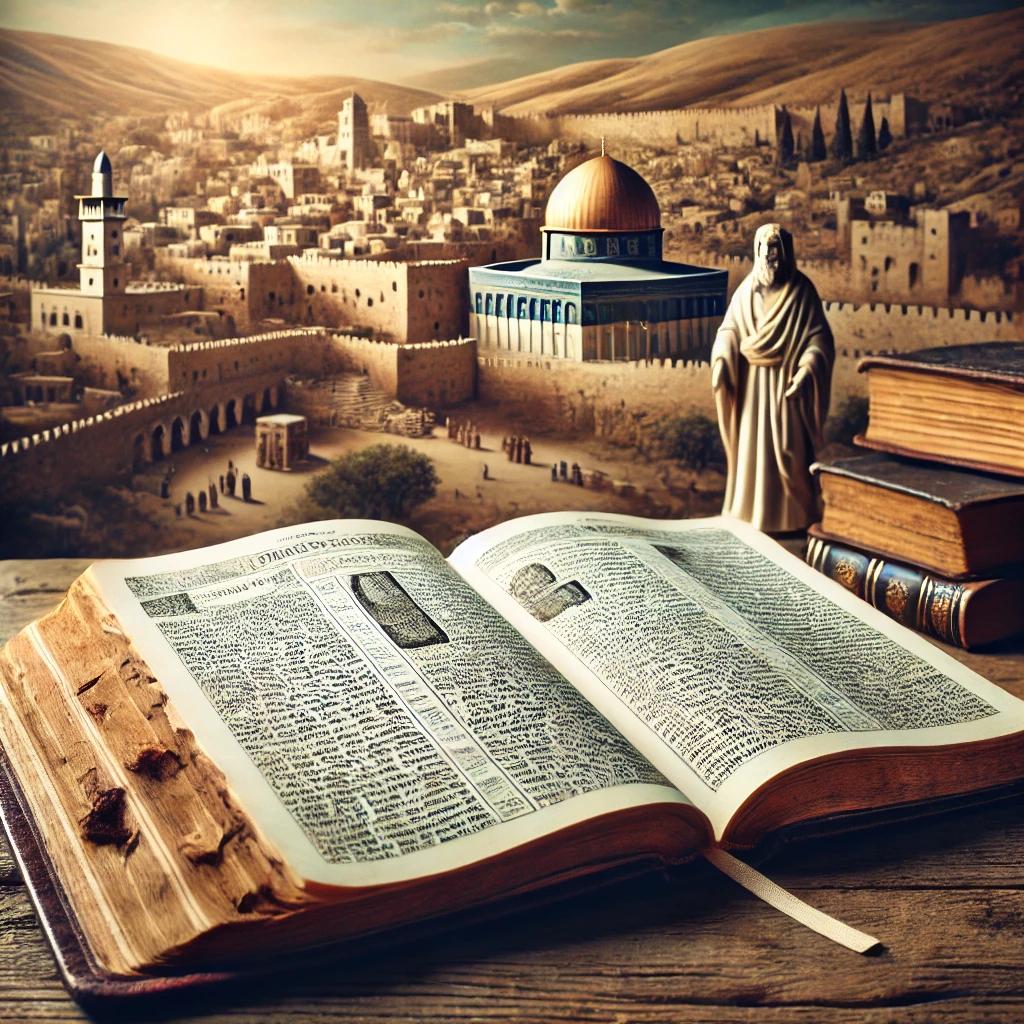
What the Bible Says
The Bible speaks extensively about the future and God’s plan for humanity, with Israel playing a key role in the events leading to the end times. Throughout scripture, Israel is depicted as central to God’s unfolding plan of redemption, with both the Old and New Testaments offering prophecies about its significance in the final days of human history. This article will explore what the Bible says about Israel’s role in the end times, examining key passages from the Old Testament prophets, the New Testament teachings of Jesus, and the Apostle Paul, as well as the apocalyptic visions in the book of Revelation.
1. Israel’s Covenant Relationship with God
Before diving into specific end-times prophecies, it’s important to understand Israel’s foundational role in the Bible. Israel, as the chosen nation of God, was established through a covenant with Abraham, promising that his descendants would become a great nation and a blessing to the world (Genesis 12:2-3). This covenant forms the backdrop to many biblical prophecies, as Israel’s special status as God’s people means that it will always be a key part of His plans.
- Abrahamic Covenant: God promised to give Abraham’s descendants the land of Canaan and make them a blessing to all nations (Genesis 12:1-3). This promise establishes Israel’s eternal role in biblical prophecy.
- Mosaic Covenant: Through Moses, Israel was given the law at Mount Sinai, setting them apart as a holy nation (Exodus 19:5-6).
- Davidic Covenant: God’s covenant with King David guaranteed that a descendant of David would always reign on Israel’s throne, foreshadowing the Messiah (2 Samuel 7:12-16).
These covenants lay the foundation for understanding Israel’s prophetic significance in the end times, particularly in connection with the Messiah and the ultimate fulfillment of God’s promises.
2. Old Testament Prophecies About Israel in the End Times
The Old Testament is filled with prophecies about Israel’s restoration and future in the context of the end times. Many of these prophecies were given during periods when Israel was in turmoil, offering hope that despite exile and suffering, God had not abandoned His people.
- The Regathering of Israel: One of the most significant prophecies related to the end times is the regathering of the Jewish people to their homeland. In passages such as Ezekiel 36-37, the prophet foresees a time when God will restore Israel to its land and renew it spiritually. Ezekiel’s famous vision of the “Valley of Dry Bones” (Ezekiel 37:1-14) symbolizes the future resurrection and restoration of the nation.
- The Coming of the Messiah: Isaiah 9:6-7 and Micah 5:2 point to the arrival of the Messiah, who will establish a kingdom that will reign forever. This figure, understood as Jesus Christ by Christians, will return in the end times to fulfill God’s promises to Israel and establish His reign.
- Jerusalem as a Center of Conflict: Zechariah 12:2-3 speaks of Jerusalem becoming a burdensome stone for all nations, indicating that the city will be a focal point of global tension in the end times. Zechariah also predicts that all nations will come against Jerusalem, but God will intervene to save His people.
3. Jesus’ Teachings on Israel in the End Times
In the New Testament, Jesus provides further insight into Israel’s role in the end times. During His ministry, Jesus made several references to the future of Israel and the ultimate fulfillment of God’s plan.
- The Olivet Discourse: In Matthew 24, also known as the Olivet Discourse, Jesus describes the signs of His return and the end of the age. He speaks of wars, rumors of wars, famines, and earthquakes, with Israel playing a key role in these events. He predicts the desolation of the temple in Jerusalem (which happened in AD 70) but also speaks of future tribulation and His eventual return.
- The Fig Tree Parable: In Matthew 24:32-35, Jesus tells the parable of the fig tree, often interpreted as a symbol of Israel. When the fig tree puts forth leaves, Jesus says, it is a sign that the end is near. Some scholars believe that the rebirth of Israel as a nation in 1948 may be seen as the fulfillment of this prophecy.
4. Israel and the Church: The Apostle Paul’s Perspective
The Apostle Paul’s writings provide crucial theological insight into the relationship between Israel and the church, particularly in the context of the end times. In Romans 9-11, Paul addresses the question of Israel’s role in God’s redemptive plan.
- Israel’s Rejection and Future Salvation: Paul explains that although Israel, as a nation, largely rejected Jesus as the Messiah, this rejection is only temporary. In Romans 11:25-27, Paul speaks of a future time when “all Israel will be saved.” He describes a “partial hardening” that has come upon Israel until the “fullness of the Gentiles” has come in, suggesting that Israel will turn back to God in the last days.
- One Olive Tree: Paul uses the metaphor of an olive tree in Romans 11, with Israel as the natural branches and Gentile believers as wild branches grafted in. This metaphor illustrates that God’s plan includes both Jews and Gentiles, but Israel retains its central role in the overall redemptive history.
5. The Book of Revelation: Israel in the Final Apocalypse
The book of Revelation, which presents a detailed vision of the end times, places Israel at the center of the apocalyptic events. Several key passages highlight Israel’s importance in the final showdown between good and evil.
- The 144,000: In Revelation 7:4-8, 144,000 individuals from the twelve tribes of Israel are sealed by God during the Great Tribulation. These individuals are often interpreted as a symbol of the remnant of Israel that will be saved and protected during this period of intense judgment.
- The Woman and the Dragon: Revelation 12 describes a vision of a woman, often interpreted as representing Israel, giving birth to a male child (the Messiah). The dragon (Satan) seeks to destroy the woman and her offspring, symbolizing the persecution of Israel throughout history and into the end times.
- The Battle of Armageddon: Revelation 16:16 describes the gathering of the nations for the final battle at Armageddon, a place located in Israel. This battle marks the culmination of the conflict between the forces of evil and God’s kingdom, with Jesus returning to defeat His enemies and establish His reign from Jerusalem (Revelation 19:11-16).
6. Conclusion: Israel’s Ultimate Role in God’s Plan
The Bible is clear that Israel plays a crucial role in the unfolding events of the end times. From the regathering of the Jewish people to their homeland, to the coming of the Messiah, to the final battle in Jerusalem, Israel is at the center of God’s prophetic plan. Understanding Israel’s role is key to grasping the larger biblical narrative of redemption and the establishment of God’s eternal kingdom.
For Christians, these prophecies about Israel emphasize the faithfulness of God to His promises and the hope of the future fulfillment of His kingdom. For those who look to the Bible for guidance on the end times, Israel remains a nation to watch, as the final chapters of human history unfold according to God’s divine plan.
 30 Seconds to Midnight